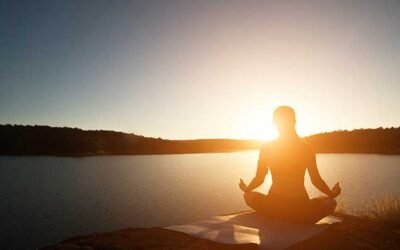
In our hyper-connected, fast-paced modern world, the human mind is bombarded with non-stop stimuli, notifications, and perpetual decision-making. Millions of seekers attempt to quiet this internal storm through forced concentration or intense willpower, only to find their restlessness intensifying. Ancient Vedic wisdom offers a vastly different and profoundly liberating answer: Samadhi Meditation — the sacred science and art of non-doing.
What is Samadhi Meditation? The Science of “Non-Doing”
In the classical Ashtanga Yoga framework articulated by sage Patanjali, meditation is not a mental battle or an aggressive suppression of thoughts. Rather, it is an organic settling of mental waves (Chitta Vritti Nirodha). Samadhi represents the eighth and culminating limb of Ashtanga Yoga — the state of supreme absorption where the artificial boundary between the observer, the process of observing, and the observed dissolves entirely.
As taught by Sri. L. Ramadoss at Athma Vichara Yoga, Samadhi Meditation is defined as the science of not doing anything. When effort ceases, the intellect stops its constant analytical friction, allowing the soul to experience its innate vastness, silence, and uncaused joy.
The Eight Limbs of Ashtanga Yoga and the Ascendance to Samadhi
To appreciate how Samadhi is achieved, it helps to understand the systematic progression outlined in Patanjali’s Yoga Sutras:
- Yama & Niyama: Ethical foundations and self-discipline that harmonize your relationship with the world and yourself.
- Asana: Physical posture that stabilizes the body so that physical discomfort no longer distracts consciousness.
- Pranayama: The conscious regulation of life-force energy (Prana) via rhythmic breathing techniques.
- Pratyahara: The gentle withdrawal of sensory attention inward.
- Dharana: Focused concentration on a singular point of awareness.
- Dhyana: An unbroken, effortless flow of meditative consciousness.
- Samadhi: Absolute spiritual absorption, where ego identification falls away and pure bliss remains.
Key Benefits of Daily Samadhi Meditation Practice
Practicing Samadhi Meditation under authentic guidance produces measurable, transformative shifts across physical, mental, and spiritual dimensions:
1. Dissolution of Intellectual Stress and Anxiety
Chronic stress originates in the intellectual body — the relentless calculation of past regrets and future anxieties. Samadhi Meditation temporarily disengages the overactive intellect, granting the nervous system profound therapeutic rest.
2. Enhanced Focus, Memory, and Intuitive Intelligence
When mental noise settles, concentration and cognitive clarity skyrocket. Practitioners consistently report enhanced decision-making abilities, intuitive breakthroughs, and sharpened memory retention.
3. Freedom from Ego-Driven Limitations
The ego thrives on separation — viewing oneself as isolated and vulnerable. In Samadhi, one recognizes the boundless nature of pure consciousness, replacing insecurity with unshakeable inner peace.
How Athma Vichara Yoga Guides Seekers to Effortless Stillness
For more than 27 years, Sri. L. Ramadoss has trained over 200,000 seekers in India and globally through the Athma Vichara Yoga (AVY) program. Instead of difficult ascetic practices, AVY integrates:
- The Art of Breathing: Clearing somatic blockages through specific pranayama practices so meditation happens naturally.
- The Art of Eating: Transitioning toward positive pranic foods that sustain mental clarity.
- The Art of Living: Bringing meditative stillness into business, family life, and daily relationships.
Frequently Asked Questions
Can beginners learn Samadhi Meditation?
Yes. In Athma Vichara Yoga, seekers aged 14 and older can easily master the foundational techniques without any prior meditation background.
How long should I meditate each day?
A dedicated daily practice of 20 to 30 minutes in the morning and evening provides compounding physical vitality and mental tranquility.
Are online classes available?
Yes, Athma Vichara Yoga conducts both interactive live online batches and in-person sessions at our Chennai center.
To begin your journey into genuine inner peace, explore our Athma Vichara Yoga (AVY) course or contact our center in Chennai today.
Recent Comments