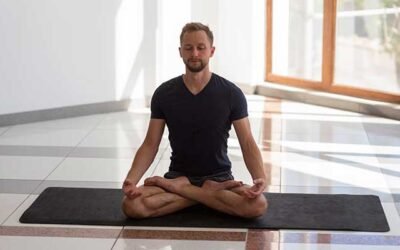
Breath is the very first act of life and the very last. Yet, despite taking roughly 22,000 breaths every single day, the vast majority of people utilize less than thirty percent of their total lung capacity. In the yogic tradition, breath is far more than mechanical oxygen exchange: it is the vehicle of Prana — cosmic life-force energy. Through the ancient science of Pranayama and the Art of Breathing, you can systematically revitalize your cells, recalibrate your nervous system, and expand your lifespan.
The Physiology of Yogic Breathing: Why Shallow Breath Depletes You
Modern lifestyle habits — prolonged sitting, poor posture, and perpetual psychological stress — cause chronic shallow chest breathing. This triggers the sympathetic “fight-or-flight” nervous system, elevating cortisol, constricting blood vessels, and promoting systemic inflammation.
By contrast, deep diaphragmatic Pranayama stimulates the vagus nerve, releasing acetylcholine to instantly slow the heart rate, reduce arterial blood pressure, and activate restorative parasympathetic healing. As taught in the Hatha Yoga Pradipika: “When the breath wanders, the mind is unsteady; but when the breath is stilled, the mind too becomes still, and the yogi achieves long life.”
Four Essential Pranayama Practices for Daily Health
In the Athma Vichara Yoga (AVY) system designed by Sri. L. Ramadoss, practitioners learn calibrated breathing sequences designed for modern lifestyles:
1. Nadi Shodhana (Alternate Nostril Breathing)
By alternating inhalation and exhalation between the left (Ida / lunar) and right (Pingala / solar) nostrils, Nadi Shodhana restores hemisphere equilibrium in the brain, clears subtle energy channels, and dissolves anxiety within five minutes.
2. Kapalabhati (Skull-Shining Breath)
Characterized by active, rhythmic abdominal exhalations and passive inhalations, Kapalabhati expels stagnant air and toxins from the lower lobes of the lungs, stimulates sluggish metabolism, and invigorates mental alertness.
3. Sheetali & Sheetkari (Cooling Breaths)
Drawing air gently over a rolled tongue or through lightly closed teeth cools visceral core temperature, quenches internal heat (Pitta), and soothes nervous exhaustion during hot climates or stressful confrontations.
4. Brahmari (Humming Bee Breath)
Producing a soft, resonant humming vibration during extended exhalations stimulates endogenous nitric oxide production in the paranasal sinuses. Nitric oxide dilates cerebral blood vessels and provides profound neuroprotective calm.
The Synergy Between the Art of Breathing and the Art of Eating
In Athma Vichara Yoga, breath mastery cannot be isolated from nourishment. Food is dense Prana, while breath is subtle Prana. When you consume fresh, positive pranic foods — seasonal fruits, sprouted grains, nuts, and living vegetables — the body requires less digestive energy, allowing the breath to remain light, deep, and effortless.
A Simple 15-Minute Daily Pranayama Routine
- Preparation (2 mins): Sit comfortably with an erect spine. Relax your facial muscles and take 5 slow, unhurried belly breaths.
- Cleansing (5 mins): Perform 3 gentle rounds of Kapalabhati (30 pumpings per round), resting between rounds.
- Balancing (5 mins): Practice Nadi Shodhana with smooth 1:1 or 1:2 inhalation-to-exhalation ratios.
- Integration (3 mins): Conclude with 7 rounds of Brahmari, allowing the internal vibrations to settle your consciousness into natural Samadhi stillness.
Frequently Asked Questions
When is the best time to practice Pranayama?
Early morning on an empty stomach (Brahma Muhurta or before breakfast) is ideal. If practicing in the evening, ensure at least three hours have elapsed since a heavy meal.
Can people with asthma or hypertension practice?
Yes, but gentle, unforced techniques should be prioritized. Forceful breath retention (Kumbhaka) should be avoided without expert instruction. In our courses, each student receives personalized guidance.
Ready to experience the transformative power of authentic breathwork? Enroll in the Athma Vichara Yoga (AVY) Course or get in touch through our contact page.
Recent Comments